
5 Techniques for Marble Polishing: A Complete Guide to Achieving a Brilliant Shine
Marble is a timeless and elegant material that adds beauty and sophistication to homes, offices, hotels, and commercial spaces. However, to maintain its luxurious appearance, regular polishing and proper care are essential. If you’re looking for the best Marble Polishing Service in Kathmandu, understanding the polishing process & learning these 5 Techniques for Marble Polishing that can help you appreciate the craftsmanship involved in restoring marble surfaces.
In this guide, we’ll explore the top 5 Techniques for Marble Polishing used by professionals to achieve marble polishing perfection and transform dull marble into a stunning, mirror-like finish.
Technique 1: Surface Cleaning
Before starting the polishing process, a clean surface is essential. Professional Marble Polishing Service in Kathmandu always begins with thorough cleaning to remove dirt, dust, and stains. This is one of the most important part of the 5 Techniques for Marble Polishing.
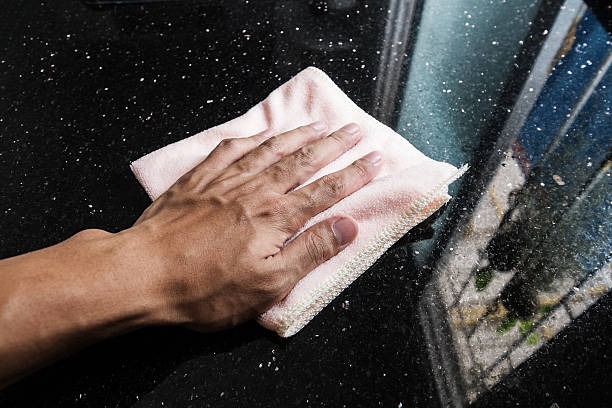
Gather the Necessary Supplies
- Soft-bristle brush or broom
- Microfiber cloths
- Gentle marble cleaner
- Distilled water
Remove Dust and Debris
Sweep the marble surface carefully and pay special attention to corners and edges where dirt tends to accumulate.
Prepare a Gentle Cleaning Solution
Mix a mild soap or marble-specific cleaner with distilled water. Avoid acidic cleaners such as vinegar or lemon, as they can damage marble surfaces.
Clean and Dry the Surface
Use a microfiber cloth to wipe the marble and remove stains gently. Rinse with clean water and dry thoroughly to prevent moisture spots.
A clean surface creates the perfect foundation for professional marble polishing.
Technique 2: Honing
Honing is an important step in any Marble Polishing Service in Kathmandu. It removes scratches, etches, and dull spots while restoring the marble’s smooth texture.
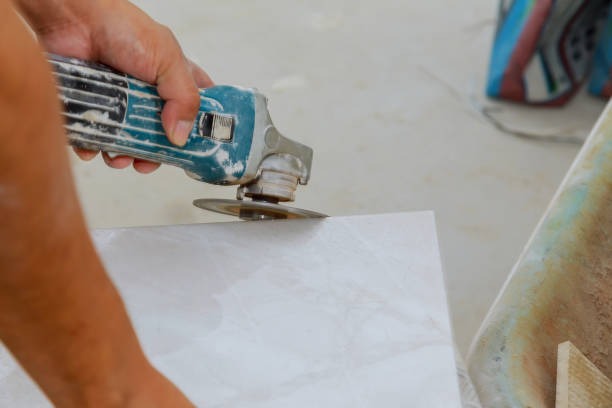
Why Honing is Important
Honing uses abrasive pads to smooth the marble surface and eliminate minor imperfections.
Selecting the Right Grit
The grit size depends on the marble’s condition:
- 200–400 grit for deep scratches
- 800–1500 grit for light scratches and dull surfaces
The Honing Process
Professional technicians use specialized machines and water lubrication to:
- Smooth uneven areas
- Remove scratches
- Restore uniformity
- Prepare the surface for polishing
If necessary, the process is repeated with finer grits until the desired smoothness is achieved.
Technique 3: Polishing
Polishing is one of the 5 Techniques for Marble Polishing that stage that brings out the marble’s natural shine. A high-quality Marble Polishing Service in Kathmandu uses premium polishing compounds and advanced equipment to create a glossy finish.
Choose the Right Polishing Compound
Select a polishing compound specifically formulated for marble. The type of marble and the desired level of shine determine the product used.
Prepare the Equipment
Attach a soft polishing pad to the polishing machine and ensure it is clean and free from debris.
Apply the Polish
Spread a small amount of polishing compound evenly across the marble surface.
Polish the Surface
Move the polishing machine slowly in overlapping passes while maintaining consistent pressure.
This process:
- Enhances the marble’s natural color
- Creates a reflective shine
- Improves smoothness
- Restores the luxurious appearance of the stone
Inspect the surface under different lighting conditions and repeat the process if necessary.
Technique 4: Sealing
After polishing, sealing is crucial to protect marble from stains, moisture, and etching. Most professional Marble Polishing Services in Kathmandu include sealing as part of their restoration package.
Why Marble Needs Sealing
Marble is naturally porous and can absorb liquids, leading to stains and discoloration.
A quality sealer:
- Prevents water penetration
- Protects against spills and stains
- Extends the life of the marble
- Makes cleaning easier
Applying the Sealer
- Ensure the marble surface is clean and dry.
- Apply a thin, even layer of marble sealer.
- Allow the sealer to penetrate the surface.
- Let it cure for 24–48 hours.
A properly sealed marble surface remains beautiful and easier to maintain for years.
Technique 5: Maintenance and Care
Even after professional polishing, regular maintenance is essential to preserve the shine and durability of marble surfaces.
Regular Cleaning
Clean marble surfaces using:
- Soft microfiber cloths
- pH-neutral marble cleaners
- Warm water
Avoid abrasive cleaners and rough scrubbing pads.
Protect the Surface
Use:
- Coasters under glasses
- Mats under heavy furniture
- Protective pads under hot items
These simple steps help prevent scratches and stains.
Clean Spills Immediately
Spills from coffee, wine, oils, or acidic substances should be cleaned promptly to prevent permanent staining.
Schedule Periodic Maintenance
To maintain the brilliance of your marble, consider professional:
- Marble honing
- Marble polishing
- Marble sealing
- Scratch removal
This 5 Techniques for Marble Polishing can restore the original beauty of your marble floors, countertops, staircases, and walls whenever they begin to lose their shine.
Conclusion
Mastering the art of marble polishing requires the right techniques, tools, and expertise. From surface cleaning and honing to polishing, sealing, and maintenance, each step plays a vital role in achieving a flawless finish. Learn these top 5 techniques for marble polishing and restore the natural shine and elegance of your marble surfaces.
If your marble surfaces have become dull, scratched, or stained, investing in a professional Marble Polishing Service in Kathmandu can bring them back to life. With proper care and expert restoration, marble can retain its timeless elegance and shine for decades.
Transform your marble into a stunning centerpiece and enjoy the beauty, durability, and sophistication that professionally polished marble provides. Contact us for more information here.